
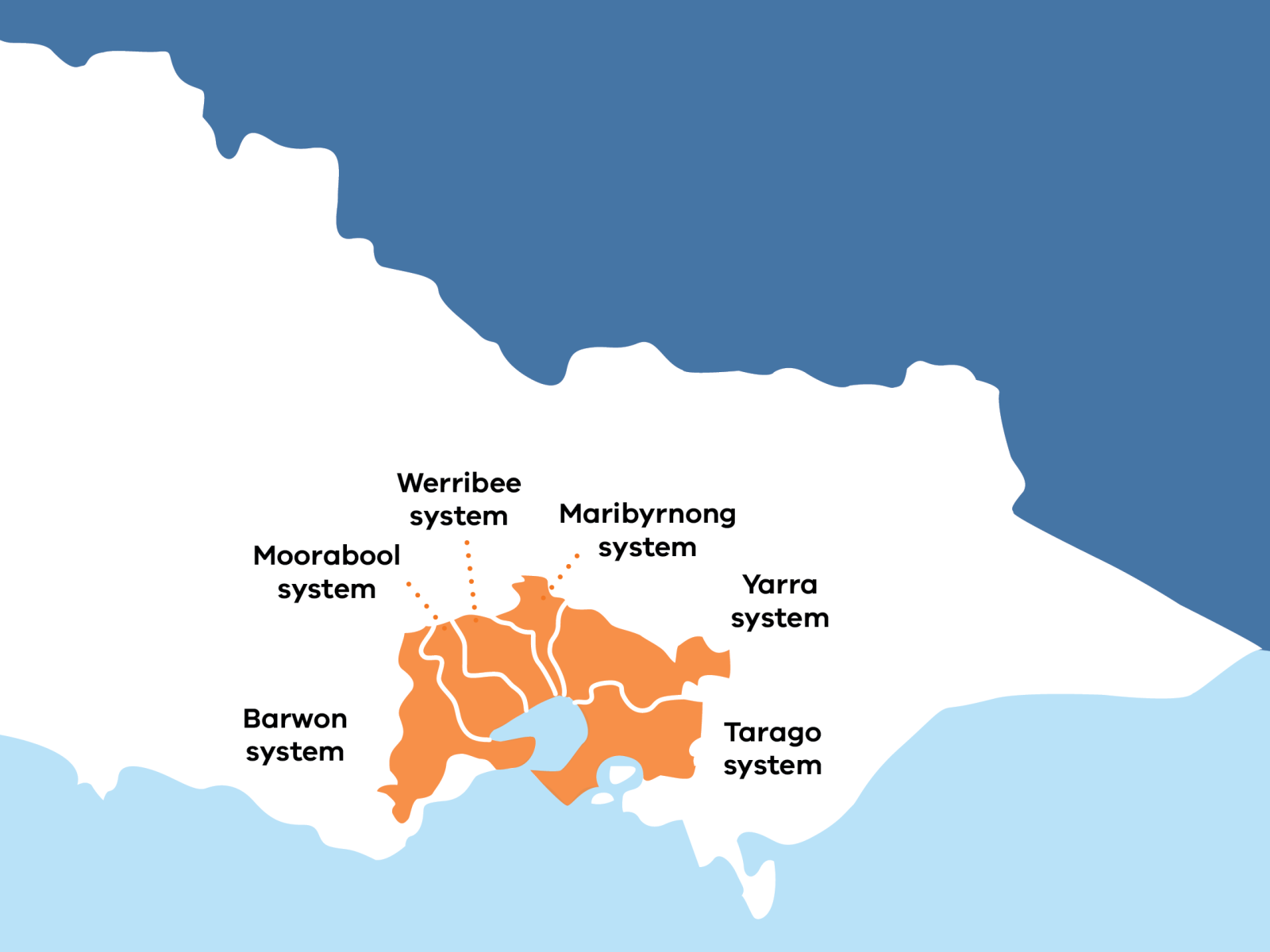
Environmental watering across Melbourne and surrounding waterways helped maintain river and wetland health through a warm, dry 2025-26 year. Rainfall and streamflow deficits carried over from 2024-25, with below-average rainfall and above-average temperatures persisting through much of winter, spring and summer. Environmental water deliveries supported low flows, freshes and fish migration cues in the Birrarung (Yarra), Tarago, Werribee and Maribyrnong rivers, including autumn high-flow events in the Yarra and Tarago rivers to support Australian grayling. In the upper Barwon River, 111 megalitres (ML) was delivered through an innovative pipeline trial to maintain flow connectivity. Water for the environment also supported seasonal wetting and drying cycles in wetlands and billabongs, helping maintain habitat, native vegetation and environmental resilience across the region.
More information about the central region and its systems can be found on the region summary page.
Below is a brief highlight of some of the outcomes and achievements in the central region in 2025-26.
Tarago system
2,267 ML water for the environment delivered; three reaches watered; 100% required watering actions were partially or fully achieved.
Melbourne Water and Arthur Rylah Institute (ARI) examined migrations of Australian grayling, tupong, common galaxias and short-finned eel, and found clear movement responses to river flows among all fish species. The ability to migrate is important for these species to complete their life cycles.
Yarra system
13,704 ML water for the environment delivered; six reaches watered; two wetlands watered; 92% required watering actions were partially or fully achieved.
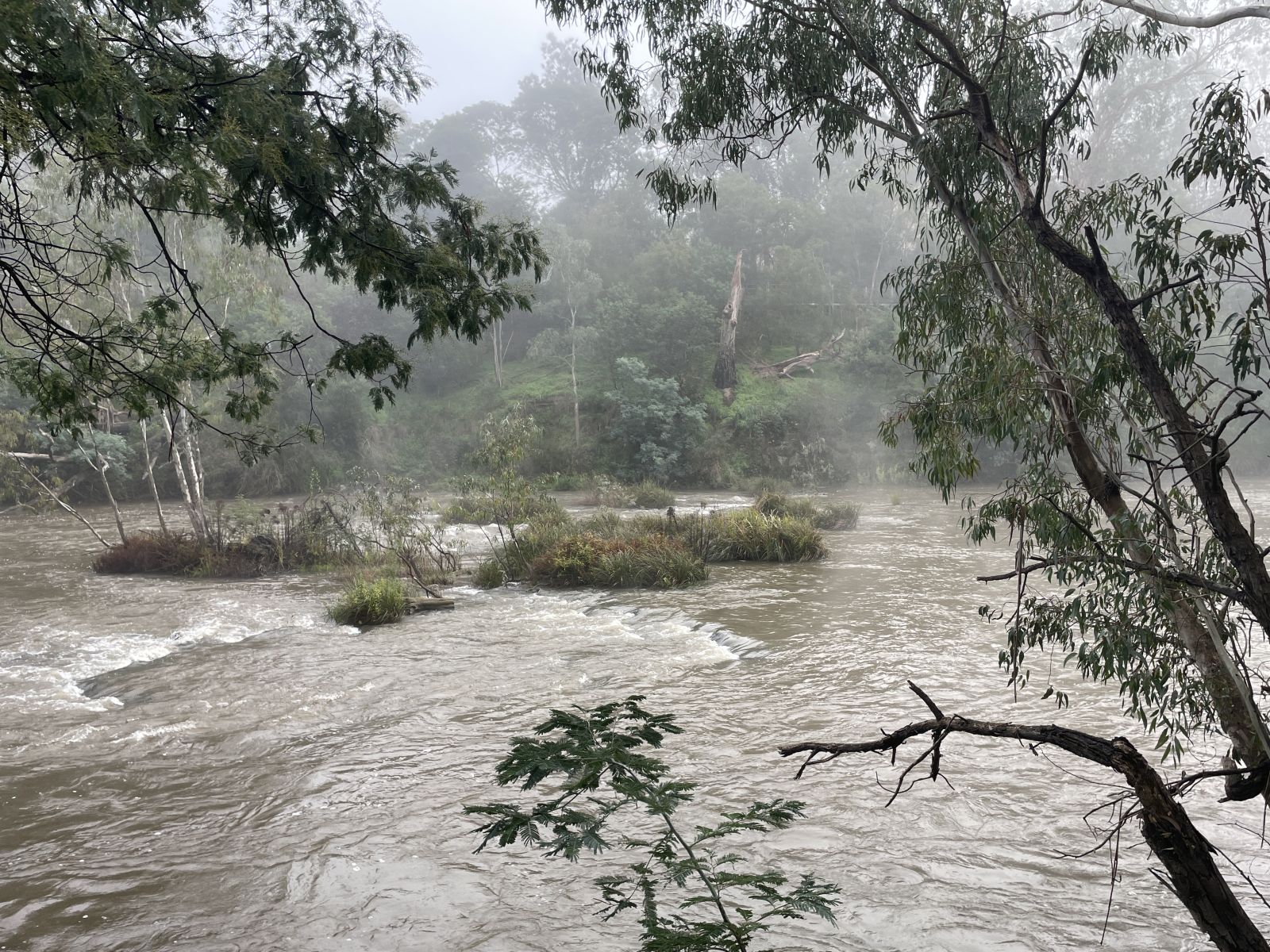
A pilot project found that summer/autumn freshes reduced sediment loads on cobbles, which are key foraging habitat for platypus and spawning habitat for endangered Macquarie perch. Wurundjeri Narrap Rangers and ARI scientists tagged eels at Bolin Bolin Billabong to investigate migration response to watering, and several were detected moving out of the billabong due to watering.
Maribyrnong system
302 ML water for the environment delivered; two reaches watered; 67% required watering actions were partially or fully achieved.
In 2025-26, as part of implementing the VEWH’s Allocation Water Trading Strategy, the VEWH Commission approved the purchase of 302 ML of allocation water to help address environmental water shortfalls in the Maribyrnong system. This water helped achieve environmental outcomes, supporting native fish, platypus, vegetation and waterbugs. You can read about how the purchase of water makes a difference for the Maribyrnong in the case study found on the news page.
Werribee system
856 ML water for the environment delivered; four reaches watered; 57% required watering actions were partially or fully achieved.
Environmental water delivered to Pyrites Creek achieved three spring fresh events. These flows provided water for a number of crucial functions, including supporting the growth and recruitment of riparian vegetation; flushing silt and scouring biofilms; improving water quality in deep pools; and improving habitat and migration opportunities for native fish, frogs, and waterbugs within the ecosystem.
Barwon system
111 ML water for the environment delivered; four reaches watered; two wetlands watered; 100% required watering actions were partially or fully achieved.
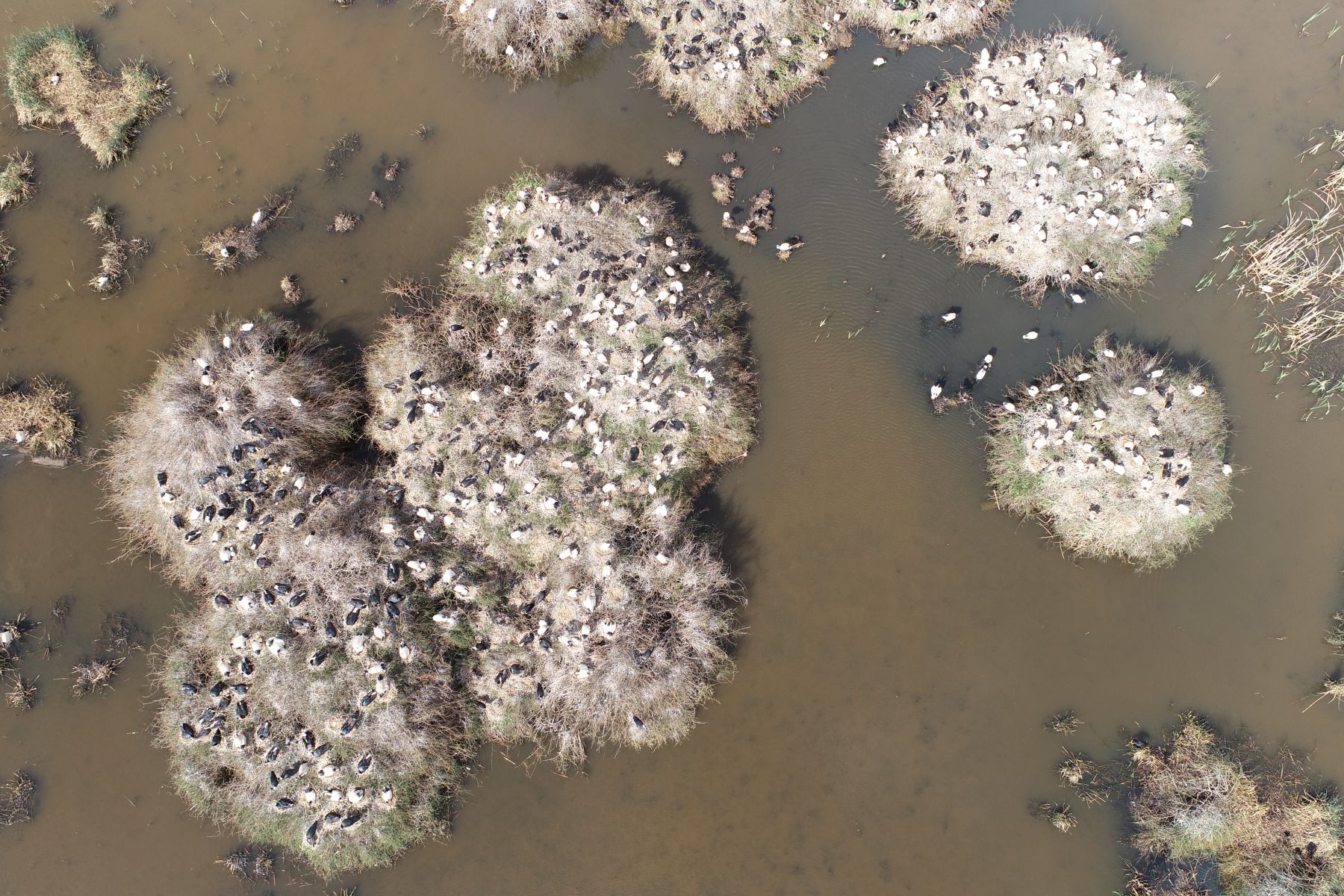
At the lower Barwon wetlands, environmental water was managed to achieve the desired wetting and drying regime. At Reedy Lake, monitoring recorded successful breeding of Australian white ibis and straw necked ibis, a nationally significant count of sharp tailed sandpipers and up to 30 endangered growling grass frogs. Growling grass frogs were also heard at Hospital Swamps.
Moorabool system
1,100 ML water for the environment delivered; three reaches watered; 40% required watering actions were partially or fully achieved.
Despite dry conditions and low inflows, environmental water releases meant that minimum low flow targets in the Moorabool River were met. However, aspirational low flows were not. Likewise, lower targets for freshes could be achieved, but not higher flow targets.
Most of the ecological objectives in the Moorabool River for a dry scenario were achieved, including the presence of native fish and platypus, and maintaining salinity and temperature within the target ranges during summer dry periods.
Page last updated: 05/10/26