
Western Victoria experienced predominantly dry conditions in 2025-26, with below-average winter and spring rainfall, reduced tributary inflows and limited natural freshes across the Glenelg and Wimmera catchments. Water for the environment became increasingly important for maintaining river connectivity, protecting drought refuges and supporting water quality during another dry year. In the Wimmera-Mallee, rainfall was highly variable, with annual totals above average at St Arnaud and Birchip. In Charlton, dry spring and summer conditions, combined with warmer temperatures, accelerated wetland drawdown. This was particularly evident at Davis Dam, Jesse Swamp and Corack Lake. Across the region, managed environmental flows maintained critical refuge habitats, supported aquatic ecosystems and helped sustain environmental values through challenging seasonal conditions.
More information about the western region and its systems can be found on the region summary page.
Below is a brief highlight of some of the outcomes and achievements in the western region in 2025-26.
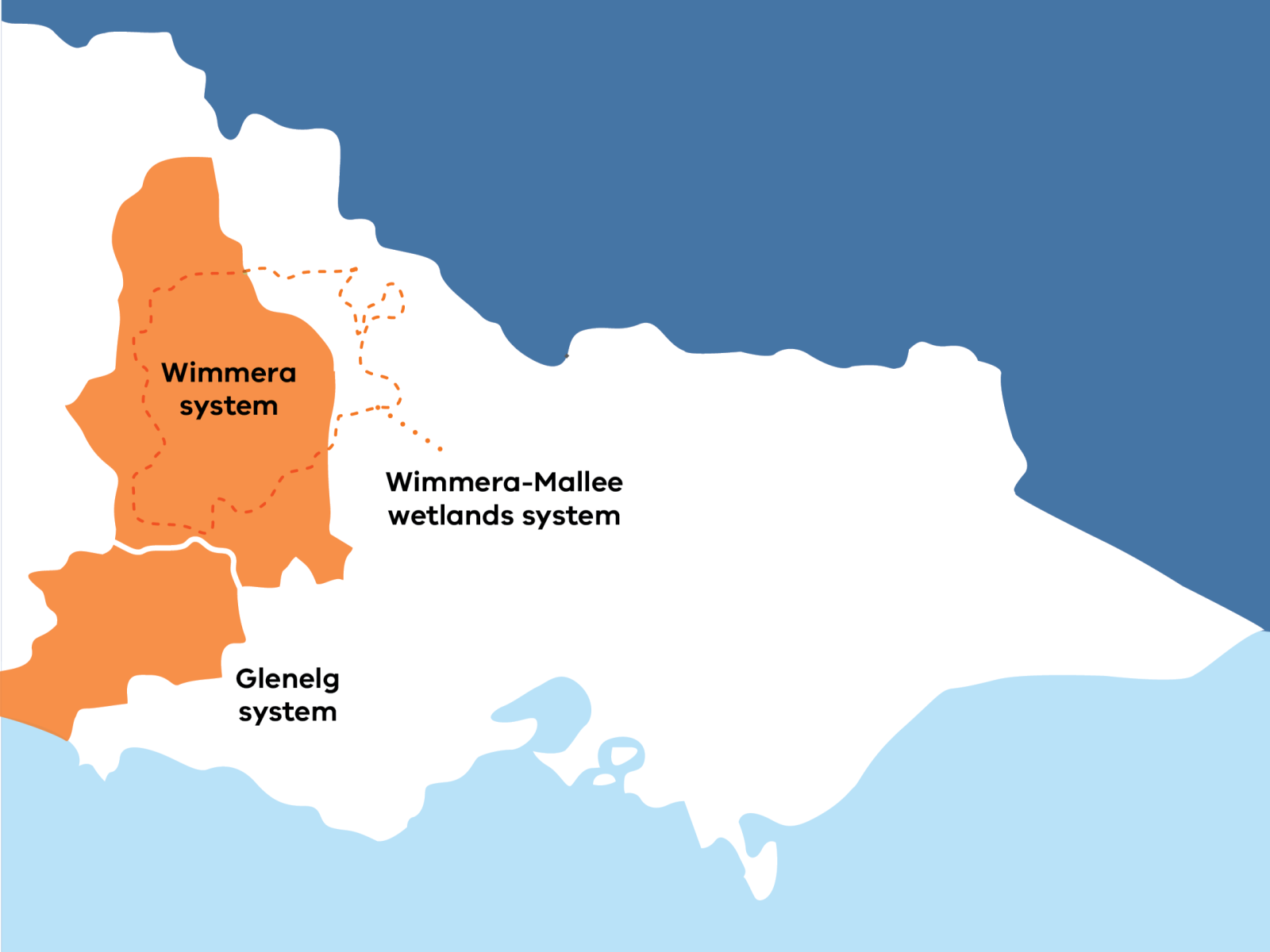
Glenelg system
11,761 megalitres (ML) water for the environment delivered; four river reaches watered; 77% of required watering actions were partially or fully achieved.
Environmental water continued to support important native fish species. River blackfish size classes were observed to be the same as the last two years, including juveniles, indicating river conditions were well suited to successful breeding. Tupong were present at most sites.
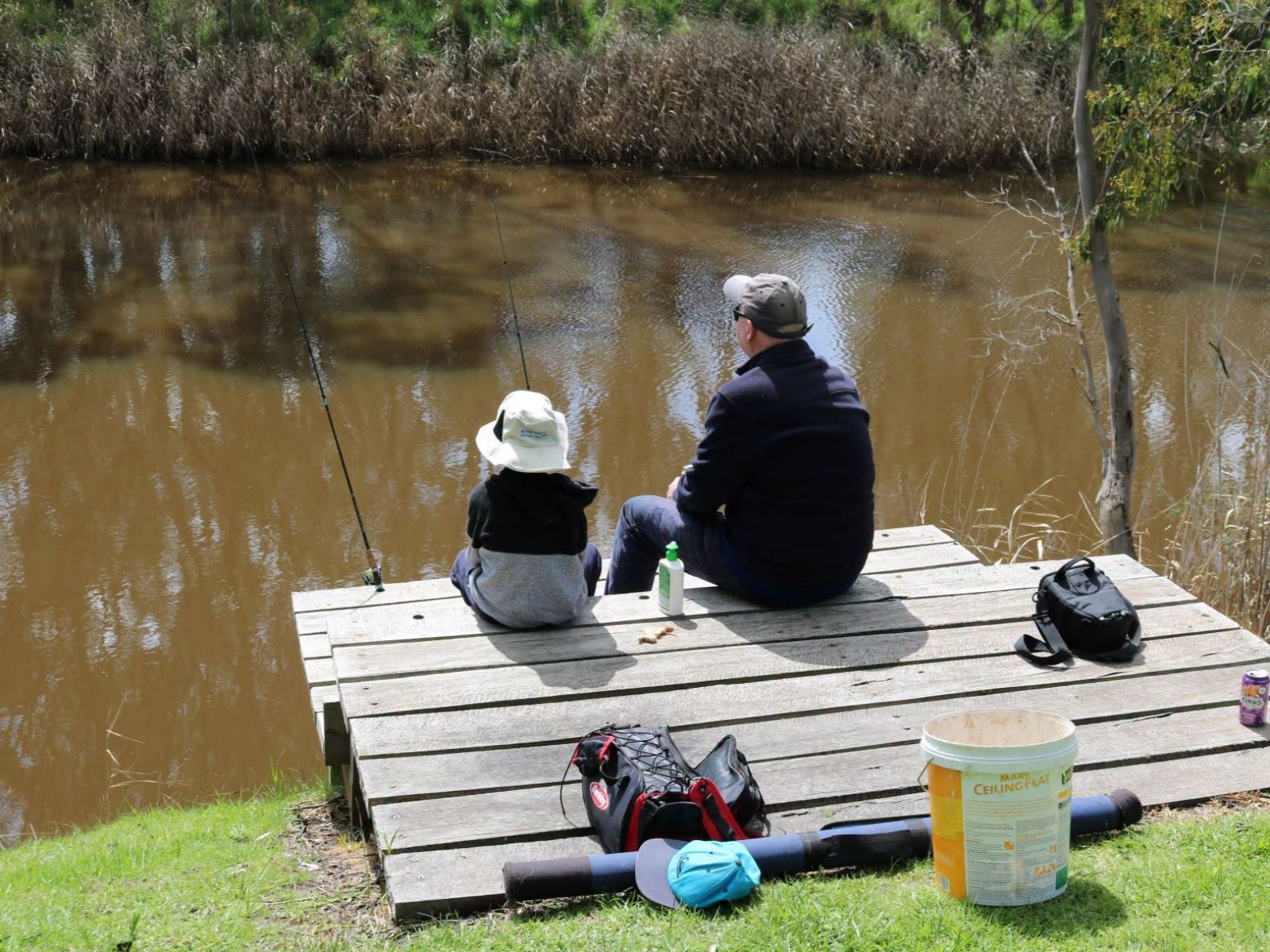
Environmental water also supported cultural and recreational activities in the Glenelg system. The summer/autumn fresh release was timed to align with the annual Johnny Mullagh Cricket Match between Gunditj Mirring and Barengi Gadgin Traditional Owners, improving water quality in local swimming holes for attendees to enjoy. Environmental releases were also timed to encourage the spawning and recruitment of native fish species, including popular angling targets such as estuary perch and bream.
Wimmera system
9,536 ML water for the environment delivered; eight river reaches watered; 71% of required watering actions were partially or fully achieved.
Monitoring recorded strong native fish communities in the MacKenzie River and Burnt Creek, including river blackfish, southern pygmy perch and obscure galaxias. In the Wimmera River, almost half of the fish recorded were native species. Platypus monitoring detected a newly tagged female and 13 microchip detections, while wetlands and river sites continued to support waterbirds, eastern long-necked turtles and frogs.
Wimmera-Mallee wetlands system
157 ML water for the environment delivered; 46 wetlands watered; 100% of required watering actions were fully achieved.
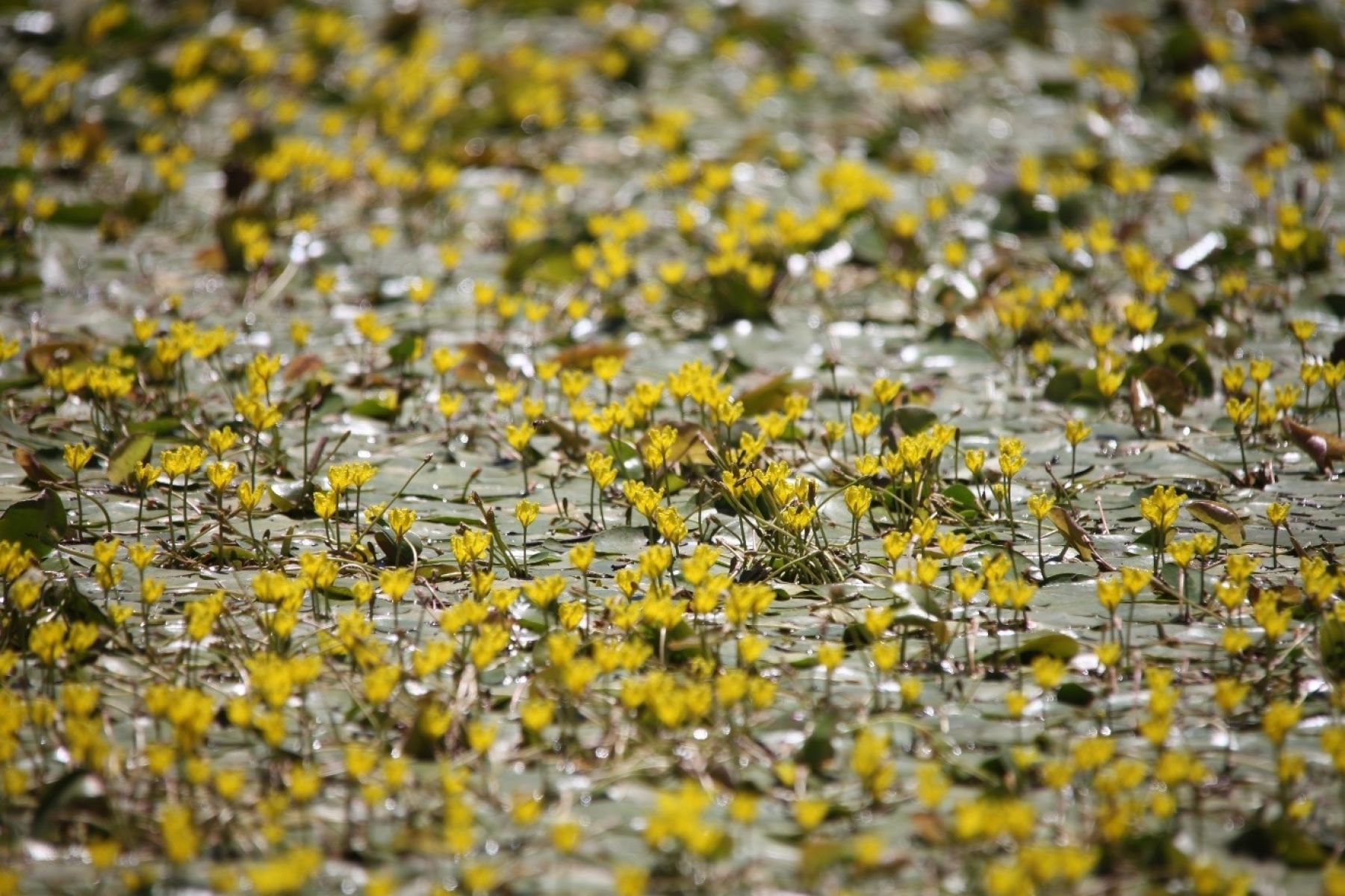
At Carapunga, there was an extensive vegetation response to watering, with rushes, cane grass and nardoo responding well. Vegetation monitoring also showed healthy cane grass at Jesse Swamp, consistent with site management objectives, and diverse aquatic plant assemblages at Jesse Swamp, Creswick Swamp and Cherrip Swamp.
Pacific black duck ducklings were observed at Jesse Swamp, Australasian grebe nestlings at Creswick Swamp and over 100 wetland birds from eight species at Falla Dam. Large numbers of ducks were observed at Fieldings Dam, along with lace monitors and red rumped parrots.
Environmental water also maintained habitat for Murray hardyhead at Falla Dam and supported refuge conditions for eastern long-necked turtles, with regular turtle sightings recorded at Corack Lake and Jeffcott Wildlife Reserve.
Page last updated: 28/09/26